Menu5 min read
A shorter menu raised average spend 18%
Forty-six lines down to twenty-two. Every prediction about what would happen was wrong, including mine.
Matteo RossiChef de Cuisine
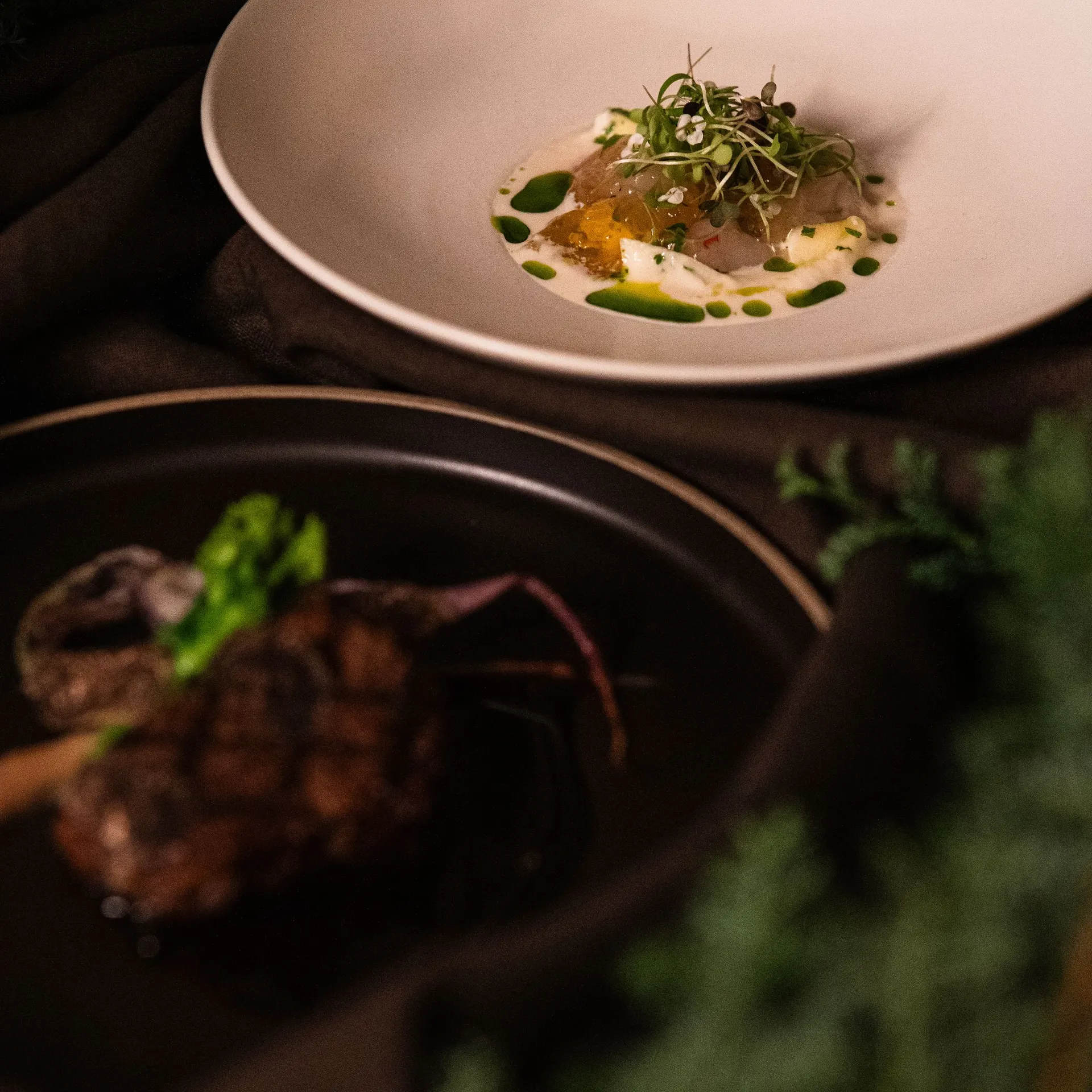
The menu had forty-six lines. It had grown the way menus grow — a request from an owner, a dish nobody wanted to remove, a section added for a market that never materialised. Everyone agreed it was too long. Nobody would name the twenty-four things to cut.
What we expected, and what happened
The expectation was a small drop in covers, offset by better margin and a calmer kitchen. Two of the three were right. Covers did not drop at all, and average spend rose 18% — not because prices went up, but because a guest reading twenty-two lines actually reads them, and orders a starter.
- Food cost fell 2.6 points on prep waste alone
- Ticket times down 31% at peak
- Pasta brought back in house, which a 46-line menu could not support
- Two fewer commis on the rota, redeployed to the bakery
“A long menu is not generosity. It is an unmade decision, and the guest pays for it in ticket time.”
The hard part was never the analysis. It was the four weeks of argument about which dishes were load-bearing, and the discovery that most of them were load-bearing only for the person defending them.
Want this looked at in your operation?
A Gastro Audit is two weeks on site and in the numbers, and produces a quantified opportunity with dates against it.
More insights